
 Print
Print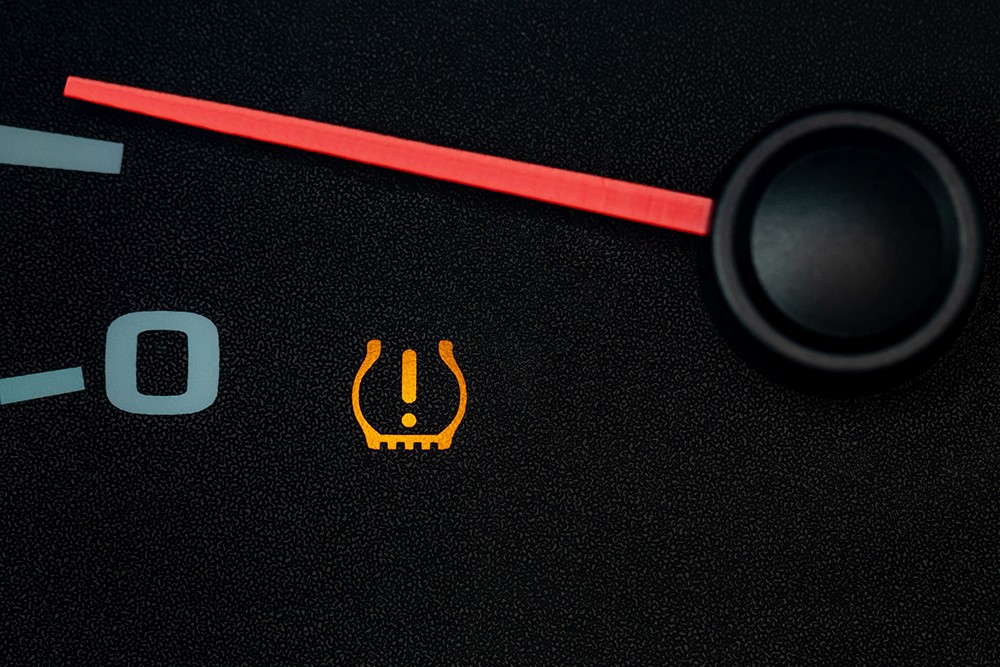
Winter weather can take a toll on your tires no matter where you live and requires a bit more attention to small things that can make a big difference in driving safety.
Underinflated tires and minimal tread exacerbate road conditions for all drivers.
In the Northeast and Midwest, slush and salted roads can accelerate tire wear as tread struggles to find grip. For regions with moderate snowfall, the constant freeze-and-thaw cycle can cause tire pressure to drop which puts an extra strain on the sidewalls.
Drivers in Mediterranean climates encounter a different challenge. Underinflated tires and tires with extensive tread wear tend to slip and slide more on rain-soaked roadways.
The National Highway Traffic Safety Administration recommends checking your tires mid-season to spot early signs of wear and avoid costly replacements or safety risks on winter roads.
Tips for winter tire care:
1. Monitor tire pressure. January’s cold temperatures cause tire pressure to drop by 1–2 PSI for every 10°F decrease.
In snowy regions, check tire pressures early in the morning for the most accurate readings. Even in Mediterranean climates tire pressure drops are common. Cold mornings also may increase the rate of existing leaks.
2. Check tread depth. Drivers in regions with heavy snowfall should maintain at least 4/32”inch of tread, while those in milder areas should use 3/32” as the minimum. A service professional can provide accurate readings for your tire tread depths.
3. Inspect sidewalls. Cracks or cuts on your tires can cause air leaks and lead to sudden blowouts or leaks during winter. Run your hands gently along each sidewall to check for soft spots or bubbles. Deep cuts or bulges are signs of a damaged tire and a safety hazard. Ask your service advisor to inspect all tires before heading out of town.
4. Check tread wear. Check for rough edges, worn spots, dips or scalloped on the treads. If you notice anything unusual, ask your service advisor to inspect your vehicle before heading out for your next winter adventure. The problem could involve alignment, rotation, tire balance or suspension–issues that affect vehicle stability and driving safety.
5. Look at the DOT manufacture date. Every tire has a DOT code with the last four digits that indicate the week and year of manufacture. NHTSA recommends replacing tires that are six years or older because rubber naturally degrades over time. Always keep an eye on the DOT date to make sure none of your tires have exceeded safe service life.
6. Remove debris. Remove small stones, nails and metal fragments from treads and tread grooves. Carefully dislodge debris stuck in the tread or shoulders. Items stuck in the tire sidewall may cause tire failure and should be reviewed with your service advisor.
7. Rotate winter tires regularly. Follow your vehicle manufacturer’s rotation schedule to ensure even wear and longer tire life. A professional will make sure rotations follow the correct directional pattern if your tires are designed for a specific rolling direction.
8. Clean tires and rims. Salt, slush and road grime can build up on your wheels and damage rubber or metal components. Rinse your tires and rims weekly with warm water to prevent corrosion and salt crystallization. For added protection, apply a winter-friendly tire dressing to keep your sidewalls from drying out.
Choosing the Right Winter Tires
Selecting the right winter tires is just as important as maintaining them.
Reliable tires provide stronger traction, shorter stopping distances and more stable control on slippery roads which are all essential for maximum safety. If you are buying tires, take note of the following suggestions when talking to your service advisor:
1. Match your new set of tires to local conditions. Consider the typical winter weather in your area before purchasing tires. In regions with moderate snowfall, standard winter tires provide enough traction. However, people living in heavy snow areas should choose tires with deep siping for enhanced grip and wide grooves to help channel slush and water away from the tread.
2. Choose the right tread pattern. The many varieties of tires come with a bewildering variation of tread designs. As your service advisor to help you select the right tires for your driving conditions and travel plans.
Both winter and all-weather tires are designed for snowy conditions. Winter tires are made of rubber components designed to handle freezing temperatures. Consider all-weather treads as an alternative to winter tires if you don’t live in snowy regions. Rubber compounds in all-weather tires are designed to handle light snow as well as milder, rain-soaked roads.
In contrast, all-season tires are well-suited for Mediterranean climates with rain and cool but not areas with freezing temperatures. All-season tires provide durable tread life and a comfortable ride.
3. Ask about winter ratings. For instance, winter-rated tires carry a Three-Peak Mountain Snowflake (3PMSF) symbol on the tire sidewall. This indicates the tire has passed rigorous snow traction tests. Ask your service advisor about tire ratings and how they relate to your driving plans this year.
Winter tires are designed to deliver better braking and cornering control in severe winter conditions–weather typical of places from Canada to the Dakotas to the Sierra mountains. Winter tires use silica-based compounds that maintain grip on icy pavements without becoming stiff. Look for ratings of “extreme cold flexibility” or performance below 45° F.
4. Replace all tires at the same time. Equip your vehicle with four matching winter tires rather than mixing them with all-season or summer tires. Mismatched tires can compromise handling and stability on winter roads. Always make sure your tires have similar tread depth and compound condition to reduce the risk of your vehicle skidding or losing control.
Also, mismatched tires can affect performance of all-wheel drive systems and may cause expensive damage. Make sure to consult with your service advisor before replacing one or two tires on your all-wheel drive vehicle.
5. Check DOT code. Even brand new tires can sit in inventory for months before being sold. Always check the DOT manufacture date to avoid purchasing old stock. Winter tires typically last five to six years as their rubber compounds gradually degrade over time. Choose recently manufactured tires for optimal traction, flexibility and safety for your winter drives.
6. Warranty and protection plans. Review the warranty details and any road hazard protection offered by the manufacturer, especially if you are planning a winter road trip.
Copyright © 2026 by Sensible Driver. All rights reserved.